We are thrilled to announce that the brilliant Danielle Evans—award-winning author of The Office of Historical Corrections and Before You Suffocate Your Own Fool Self and the director of The Writing Seminars at Johns Hopkins University—will judge the 2027 American Short(er) Fiction Prize. The prize recognizes extraordinary short fiction under 1,500 words. The first-place winner will receive a $1,000 prize and publication. Previous winners of the Short(er) Fiction Prize have gone on to be anthologized in places such as The Pushcart Prize: Best of the Small Presses. All entries will be considered for publication. The deadline to enter is February 1, 2027.
**Please note that we raised the word count from previous years from 1,000 to 1,500.**
General Guidelines
• Submit your entry online between November 20, 2026 – February 1, 2027.
• The first-place winner will receive a $1,000 prize and publication in ASF. All entries will be considered for publication.
• Please submit your $18 entry fee and your work through Submittable. We no longer accept submissions by post. International submissions in English are eligible.
• Stories must be 1,500 words or fewer. You are allowed to include up to two stories per entry. Please submit all stories in one document. Each story must begin on a new page and be clearly titled. For the title of your submission list the story titles, separated by a comma. (If you’ve submitted in the past, please note that we raised the word count last year from 1,000 to 1,500.)
• DO NOT include any identifying information on the manuscript itself.
• You may submit multiple entries. We accept only previously unpublished work. We allow simultaneous submissions, but we ask that you notify us promptly of publication elsewhere.

Conflicts of Interest
Staff and volunteers currently affiliated with American Short Fiction are ineligible for consideration or publication. Additionally, students, former students, and colleagues of the judge are not eligible to enter. We ask that previous winners wait three years after their winning entry is published before entering again.
American Short Fiction adheres to the CLMP Contest Code of Ethics. You can find the CLMP Code of Ethics and our contest procedures here.
* * *
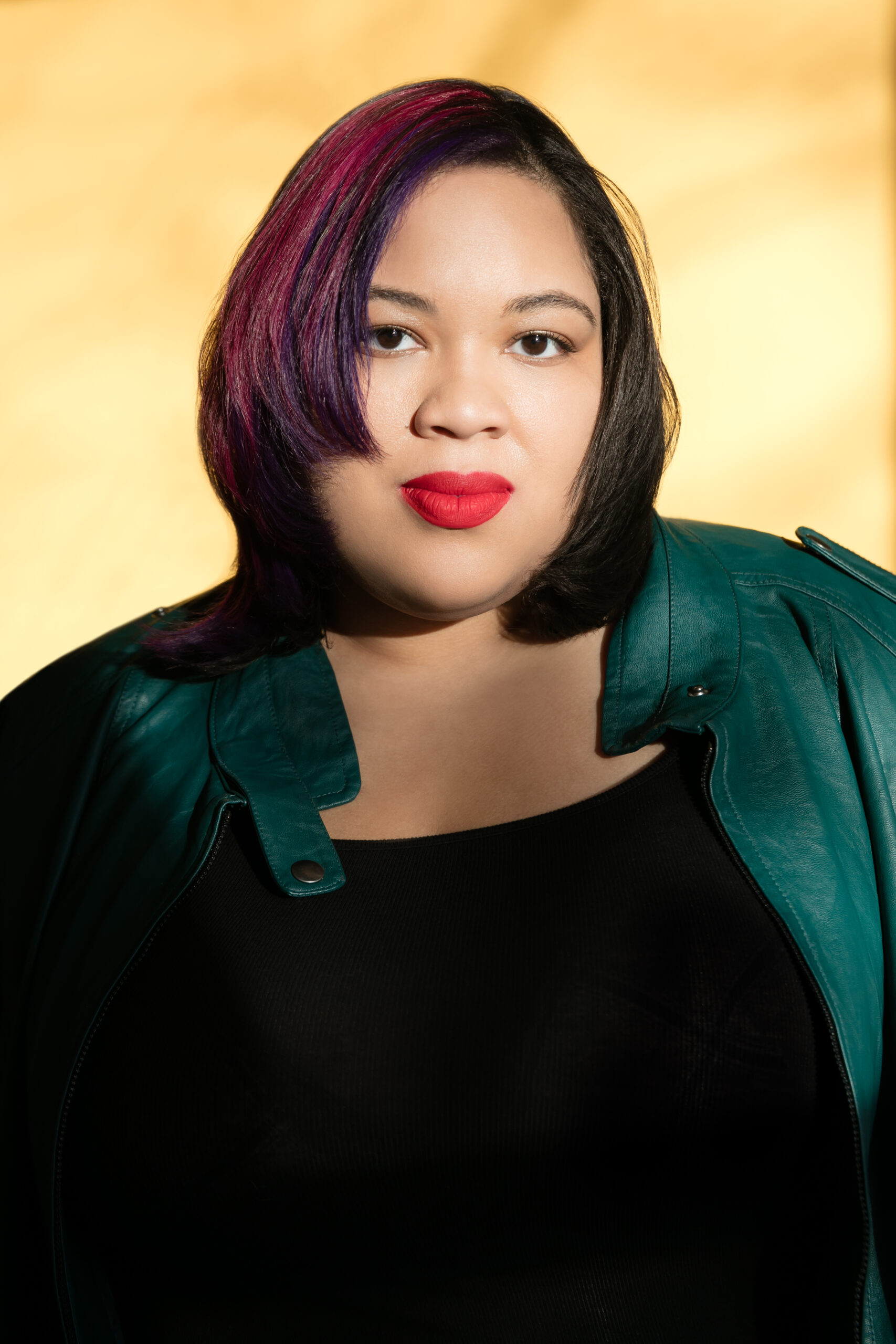
Danielle Evans is the author of the story collections The Office of Historical Corrections and Before You Suffocate Your Own Fool Self. Her first collection won the PEN American Robert W. Bingham Prize, the Hurston-Wright award for fiction, and the Paterson Prize for fiction; her second won the Janet Heidinger Kafka Prize and was a finalist for The Aspen Prize, The Story Prize, The Chautauqua Prize, and The Los Angeles Times Book prize for fiction. She has also been awarded a US Artists Fellowship, The New Literary Project Joyce Carol Oates Prize, and a National Endowment for the Arts fellowship. Her stories have appeared in magazines and anthologies including The Best American Short Stories. She is an Associate Professor in The Writing Seminars at Johns Hopkins, where she currently serves as director of the MFA program.
In an interview with The Believer, Danielle Evans talks about story endings:
“I think of stories in terms of their operative questions. First there’s the active question (or the narrative question, or the ‘small’ question)—the question I owe it to the reader to resolve. Gradually, the larger, thematic or moral or intellectual questions of the story arise, and that’s what I intend to leave open for the reader when the story closes. I rarely know how a story ends before I start—I think it’s only happened twice. But I usually recognize the ending when I get there, because by the time I get to the end of the active plot, I’ve already written past and recognized the open question, the thing I didn’t know the story was actually about until I got there, and once I get there everything else about the arc of the story becomes clear to me. I’m waiting usually not for the moment when I’m certain of the plot, but the moment when whatever’s underneath the story comes to the surface and illuminates the project for me. In revision, I think about how the things in the story serve either of the story’s two operating questions, using the ending to help me calibrate. If the ending feels like the right place to stop but isn’t working yet, I reshape the rest of the story until it fits.”
* * *
We can’t wait to read your submissions!